
Contact

Feel Free To Contact Us At Any Time
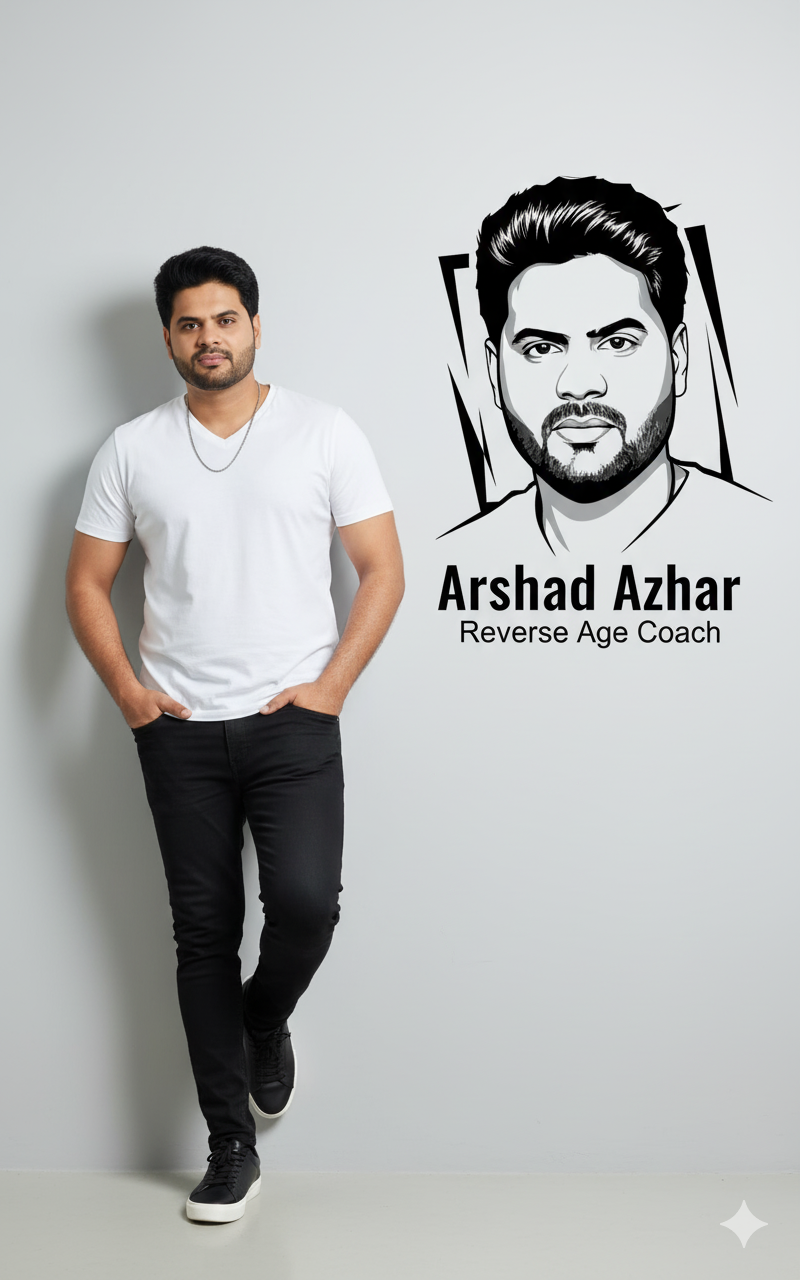
Have Questions?
We are happy to answer any queries
Send Us Mail
Find the Studio

✅ Anti-Aging & Longevity in the Gulf: FAQs
1) Is stem-cell therapy for anti-aging safe? What are the risks?
Proceed cautiously. Outside of a few narrow, approved indications, many “stem-cell” or “exosome” offerings for anti-aging remain experimental. Regulators warn of risks such as infection, tumor formation, blindness, and neurological events when unapproved products are used. Always confirm regulatory status, source of cells, and clinical oversight before considering treatment. U.S. Food and Drug Administration+1PMC
2) How effective are NAD+ IV drips or stem-cell procedures—and how long do results last?
NAD+ IV: Clients often report short-term gains in energy or focus, but durability varies (weeks to a few months) and high-quality randomized data for anti-aging endpoints are limited. Consider NAD+ as an adjunct to lifestyle, not a replacement.
Stem-cell procedures: Evidence for cosmetic/anti-aging uses remains preliminary; outcomes and duration depend on indication, protocol, and patient factors. Ask for peer-reviewed data and informed consent detailing expected benefits vs. uncertainties.
HBOT (related longevity tech): Early human studies suggest protocols of hyperbaric oxygen therapy may modulate aging markers (e.g., telomere length, senescent cell burden), but results need replication before being considered definitive.
3) Cost in Dubai/UAE: What should I expect?
NAD+ IV drips (Dubai): commonly advertised ~AED 999–5,000 per session, depending on dose, add-ons, and clinic.
Biological age testing (TruAge and similar): clinics list ~AED 3,000 in Dubai; prices vary by panel and whether physician consults are bundled.
Genetic testing for longevity: wide range (basic ancestry/health panels to deep longevity panels); expect a premium when testing is paired with physician interpretation and follow-up plans.
Tip: Ask for a written quote that includes: lab fees, physician time, number of sessions, and follow-up coaching.
4) How does stem-cell therapy compare with Botox or fillers?
Botox/fillers (Dubai/UAE): FDA-/EMA-approved for cosmetic indications with predictable, short-term results (typically 3–12 months) and well-characterized side-effect profiles when performed by licensed clinicians.
Stem-cells/exosomes: marketed for “regeneration,” but cosmetic anti-aging use remains investigational; risk/benefit and durability are less certain. Start with evidence-based, reversible options (Botox, hyaluronic fillers, lasers, Ultherapy) and consider biologics only within regulated clinical pathways. U.S. Food and Drug Administration
5) What’s the value of a Longevity Assessment?
A proper assessment (history, lifestyle, sleep, nutrition, lab biomarkers, biological age test, and sometimes genetic risk analysis) allows a clinic to build a personalized prevention plan for cardiovascular, metabolic, cognitive, and skin aging—so interventions target your risks, not generic averages.
6) Best age to start anti-aging treatments and skincare?
Skincare & prevention: Start in your 20s–30s (sun protection, retinoids as tolerated, antioxidants).
Clinic procedures: Introduce minimally invasive options (Botox, lasers, Ultherapy, microneedling) as early signs appear (30s–40s).
Longevity programs: Any age, but mid-30s to 40s is ideal for baseline biological age and metabolic risk—so you can track improvement over time.
7) How do I spot early signs of aging (and when to act)?
Skin: fine lines, dullness, melasma, slower wound healing.
Metabolic: creeping weight, visceral fat, rising fasting glucose.
Recovery: lower HRV, poorer sleep, afternoon fatigue.
Early, layered action (SPF, sleep hygiene, strength training, nutrition, targeted procedures) yields the best long-term payoff.
8) Natural ways to slow aging—what actually matters?
Diet: Mediterranean/plant-forward pattern, adequate protein, polyphenols, omega-3s; avoid ultra-processed oils/sugars.
Exercise: strength + zone-2 cardio + occasional HIIT; daily movement.
Sleep: 7–9 hours, consistent schedule, dark/cool room.
Stress: breathwork, CBT/DBT skills, mindfulness, social connection.
These pillars improve metabolic health, inflammation, and mitochondrial function—the foundations of healthy longevity.
9) How is a holistic approach different from “just cosmetics”?
A holistic longevity plan integrates skin procedures plus sleep optimization, nutrition, strength training, mental health, and environment (light, heat/cold, pollutants). It aims to lower your biological age, not just smooth wrinkles.
10) Do lifestyle changes really move the needle? Which ones?
Yes. The biggest levers are:
Strength training (muscle is a longevity organ)
Sleep regularity
Whole-food diet (anti-inflammatory)
Zero Alcohol Consumption
Daily daylight & movement
These improve insulin sensitivity, HRV, and lipid/glucose profiles—metrics most clinics use to track progress.
11) Where do mental health and stress fit in?
Resilience practices (CBT reframing, gratitude journaling, breathwork) raise HRV and reduce chronic cortisol load—both associated with more “youthful” physiology and better adherence to any program.
12) What about supplements (vitamins, minerals, NAD+ boosters, peptides)?
Core: vitamin D (as needed), B12 (if plant-based/deficient), magnesium, omega-3s—based on labs and clinician guidance.
NAD+ boosters & peptide skincare: early evidence suggests potential benefits; peptide topicals show anti-wrinkle effects in cosmetic studies, while systemic “peptide therapy” for longevity still needs stronger trials. Use under medical guidance. Wiley Online LibraryPMC
13) Biological age: How do I get tested in Dubai and what does it mean?
Several UAE clinics offer TruAge™ epigenetic testing and similar services (often bundled with consults). Your result estimates cellular/epigenetic age and pace of aging, giving you a baseline to track interventions over time. Typical listed pricing in Dubai is around ~AED 3,000.
14) Genetics: How does risk analysis help?
Genetic panels flag predispositions (e.g., lipid handling, methylation, collagen integrity). Combined with lifestyle and labs, they help clinics prioritize preventive anti-aging care (nutrition, exercise, screening cadence).
15) Hormones: Can longevity clinics help balance them?
Yes—clinics can evaluate thyroid, sex hormones, cortisol, and insulin. When clinically indicated, they may guide nutrition/training and consider carefully monitored therapies within regulatory standards.
16) Metabolic health: How is it assessed and improved?
Expect a mix of fasting labs, body-composition, CGM (in some programs), VO₂ or functional fitness testing, and biological age assessment. Interventions target insulin sensitivity, visceral fat, lipid quality, sleep, and stress—the levers most correlated with long-term healthspan.
Bottom line for clients in the Gulf
Choose evidence-based aesthetics (Botox, fillers, lasers, Ultherapy) when you want predictable, reversible results.
Use advanced longevity tech (NAD+ IV, HBOT, genetic/epigenetic testing) within medical programs that measure outcomes (HRV, labs, biological age).
Make lifestyle the foundation—then layer treatments for maximum, trackable impact.
Disclaimer: Educational only; not medical advice. Always consult licensed clinicians in the UAE/GCC and verify regulatory status of any regenerative therapy.